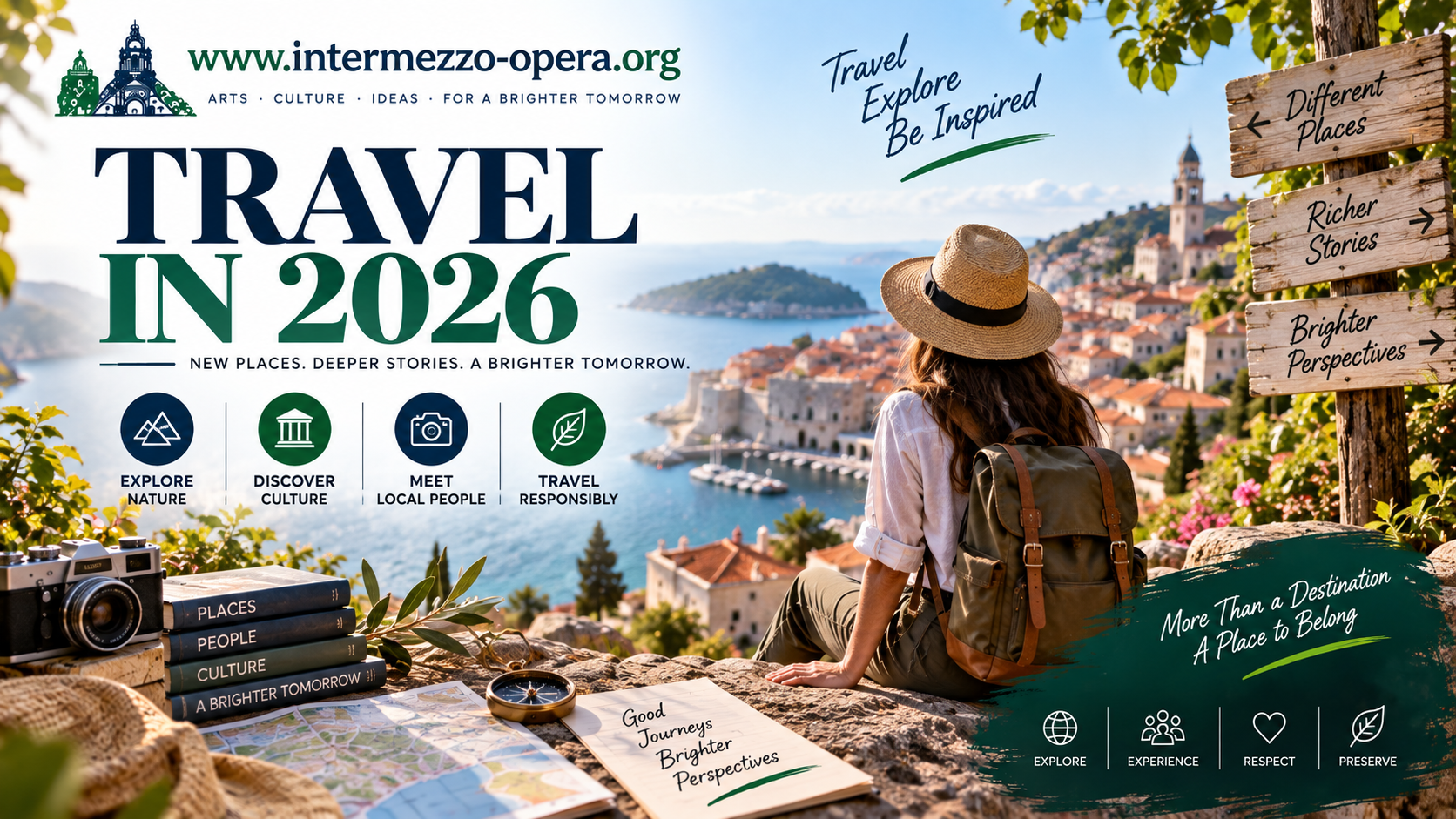
Travel in 2026 is becoming more than visiting famous landmarks. Many travelers are looking for experiences that connect them with local culture, nature, food, and everyday life.
This shift is creating new opportunities for destinations to offer more meaningful travel experiences.
Travel Experiences Are Becoming More Personal
Modern travelers can easily find information about destinations online. However, a simple list of attractions may not be enough to create a memorable trip.
Instead, visitors can explore local neighborhoods, meet artisans, try traditional food, or learn about regional history.
UNESCO highlights community involvement as an important part of sustainable heritage tourism. In Agra, for example, local families, artisans, and residents are helping visitors experience heritage through everyday stories and activities.
Local Culture Adds Meaning to Travel
Culture can give a destination its own identity.
Traditional music, architecture, festivals, crafts, cuisine, and local stories can create experiences that travelers cannot easily find somewhere else.
UNESCO notes that cultural tourism can help destinations develop distinctive tourism products while supporting cultural and creative industries.
Therefore, travelers can look beyond famous attractions and explore the culture that surrounds them.
Nature Travel Continues to Grow
Nature is another important part of modern travel. Forests, mountains, beaches, rivers, and rural landscapes can offer opportunities for relaxation and outdoor activities.
However, popular natural destinations can also face pressure from large visitor numbers.
UNESCO and the TUI Care Foundation noted in 2026 that growing tourism can affect local communities, cultural traditions, and natural environments. Their partnership focuses on tourism that supports both heritage protection and local communities.
Sustainable Travel Starts With Local Communities
A destination is more than a collection of hotels and attractions. People live and work in these places every day.
For that reason, local communities need a role in tourism planning and development.
UNESCO’s sustainable tourism approach promotes cooperation between tourism and heritage stakeholders while emphasizing local participation and the protection of cultural and natural assets.
Travelers can support this approach by choosing local businesses, respecting community traditions, and reducing unnecessary environmental impact.
Technology Is Changing the Way People Travel
Technology is also reshaping the travel experience.
Travelers can use digital maps, online booking platforms, translation tools, travel apps, and artificial intelligence to plan their journeys.
The United Nations says artificial intelligence is changing how travelers choose destinations and how tourism experiences are designed. It also highlights the need to ensure that digital innovation benefits tourism workers, local communities, and emerging destinations.
Technology can make travel easier, but local knowledge and human interaction remain important.
Slow Travel Offers a Different Experience
Not every trip needs to involve a packed schedule.
Slow travel encourages visitors to spend more time in one place. Travelers can walk through historic streets, visit local cafés, explore markets, or spend several days discovering a smaller community.
This approach can also help visitors understand a destination more deeply.
Recent travel trend research from Expedia highlights slower-paced trips, nature-based travel, literary retreats, and culture-focused experiences among themes shaping travel in 2026.
Travel Is Moving Toward Meaningful Connections
The future of travel will likely involve a combination of technology, culture, nature, and human connection.
Destinations can create stronger experiences when visitors understand the stories behind places rather than simply taking photographs.
UNESCO’s 2026 heritage work in Southern Africa emphasizes storytelling as a way to connect visitors with local heritage while supporting conservation, education, and sustainable tourism.
Ultimately, travel can become more than a journey from one location to another. It can be an opportunity to discover new perspectives, support local communities, and build a deeper connection with the places we visit.