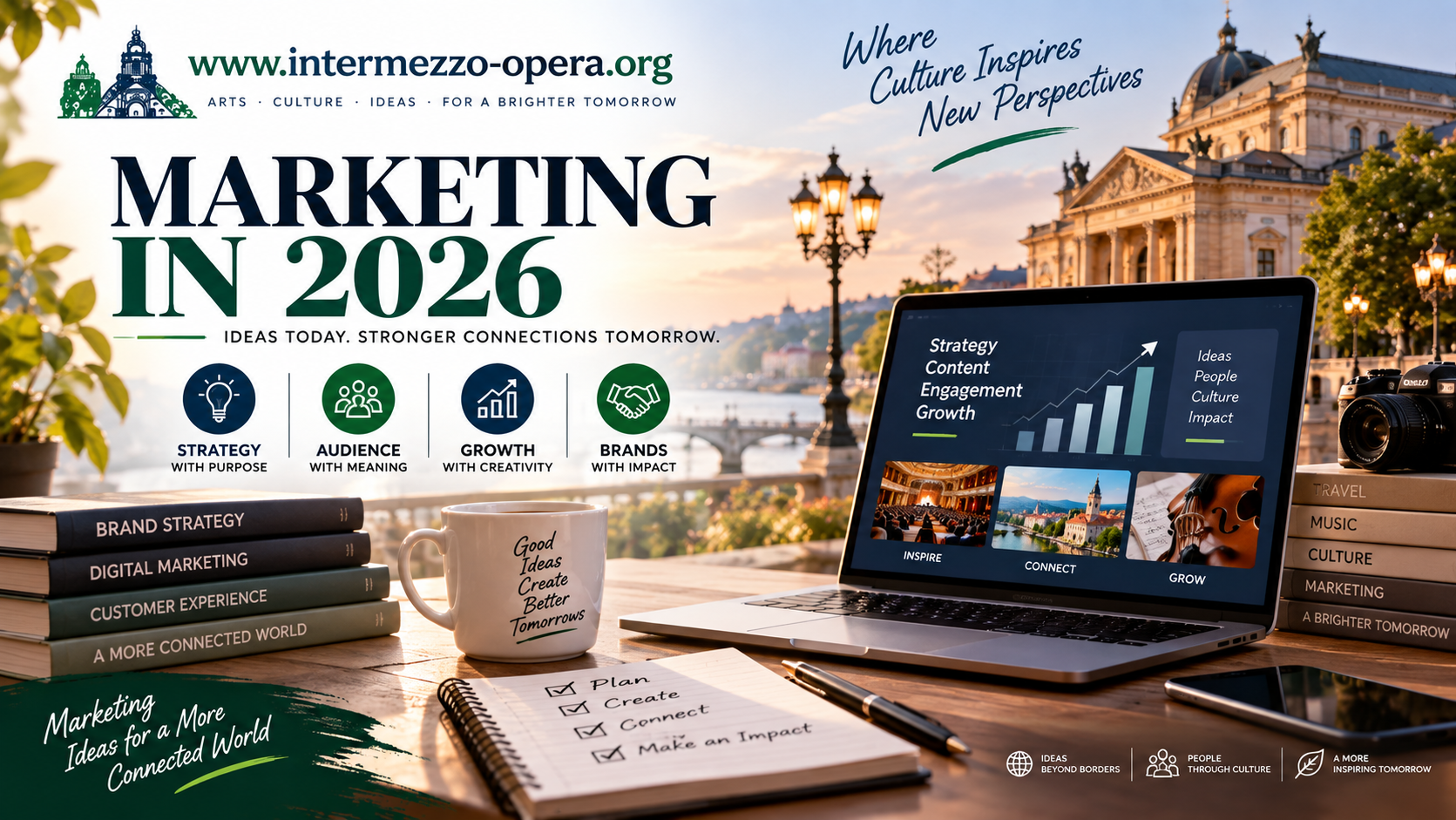
Marketing in 2026 is changing quickly. Brands now compete for attention across search engines, social media, websites, video platforms, and AI-powered tools.
However, successful marketing is not only about reaching more people. It is also about creating relevant content, building trust, and understanding customer needs.
AI Is Changing Modern Marketing
Artificial intelligence is becoming an important part of marketing strategies. Businesses use AI to support content creation, audience research, personalization, data analysis, and campaign planning.
A 2026 HubSpot marketing report found that marketers are increasingly using AI for personalized content and automation. At the same time, social media, email, websites, and blogs remain important marketing channels.
Therefore, brands can use AI to work faster while keeping human creativity at the center of their communication.
Personalized Marketing Builds Better Customer Experiences
Customers increasingly expect brands to understand their interests. Because of that, generic messages may not always create strong engagement.
Personalization can appear in many forms. Brands can recommend relevant products, send targeted emails, or create content based on customer interests.
Shopify reports that personalization in 2026 increasingly depends on first-party data and customer consent.
For this reason, businesses need to collect customer information responsibly and clearly explain how that information is used.
Social Media Is Becoming More Than Advertising
Social media now plays several roles in the customer journey. People can discover products, watch reviews, communicate with brands, and sometimes complete purchases without leaving the platform.
Short-form video also remains an important format for product discovery. Meanwhile, social commerce and creator content continue to develop.
As a result, brands should treat social media as a place for conversation, not only promotion.
Content Quality Matters More Than Constant Posting
Marketing teams do not always need to publish content every day. Instead, they need content that answers real questions and provides useful information.
A strong content strategy can include articles, videos, guides, newsletters, customer stories, and social media posts.
The key is consistency. Each piece of content should support the brand message and help customers move from awareness to consideration and, eventually, purchase.
First-Party Data Becomes More Important
Marketing strategies increasingly rely on information collected directly from customers. This can include website interactions, email subscriptions, purchase history, surveys, and customer inquiries.
Experian’s 2026 digital trends research highlights growing investment in first-party data among B2B marketers.
With better data, businesses can understand customer behavior more clearly. However, privacy and consent should remain part of the process.
Marketing and Customer Experience Are Connected
Modern marketing does not end when someone clicks an advertisement. The customer experience continues through the website, product information, customer service, payment process, and follow-up communication.
Therefore, marketing teams need to work closely with sales and customer service teams.
A connected customer journey can make brand communication more consistent. It can also help businesses understand which marketing activities contribute to meaningful customer actions.
The Future of Marketing
Marketing will continue to combine technology with human creativity. AI can help businesses analyze information and produce content faster. Social platforms can create new opportunities for discovery. Meanwhile, first-party data can support more relevant customer experiences.
However, technology alone does not create a strong brand.
Clear communication, useful content, trust, and customer understanding remain important. Brands that combine these elements can build marketing strategies designed for a changing digital environment.
For businesses in 2026, the central question is no longer simply how to get more attention. It is how to turn attention into meaningful relationships with customers.