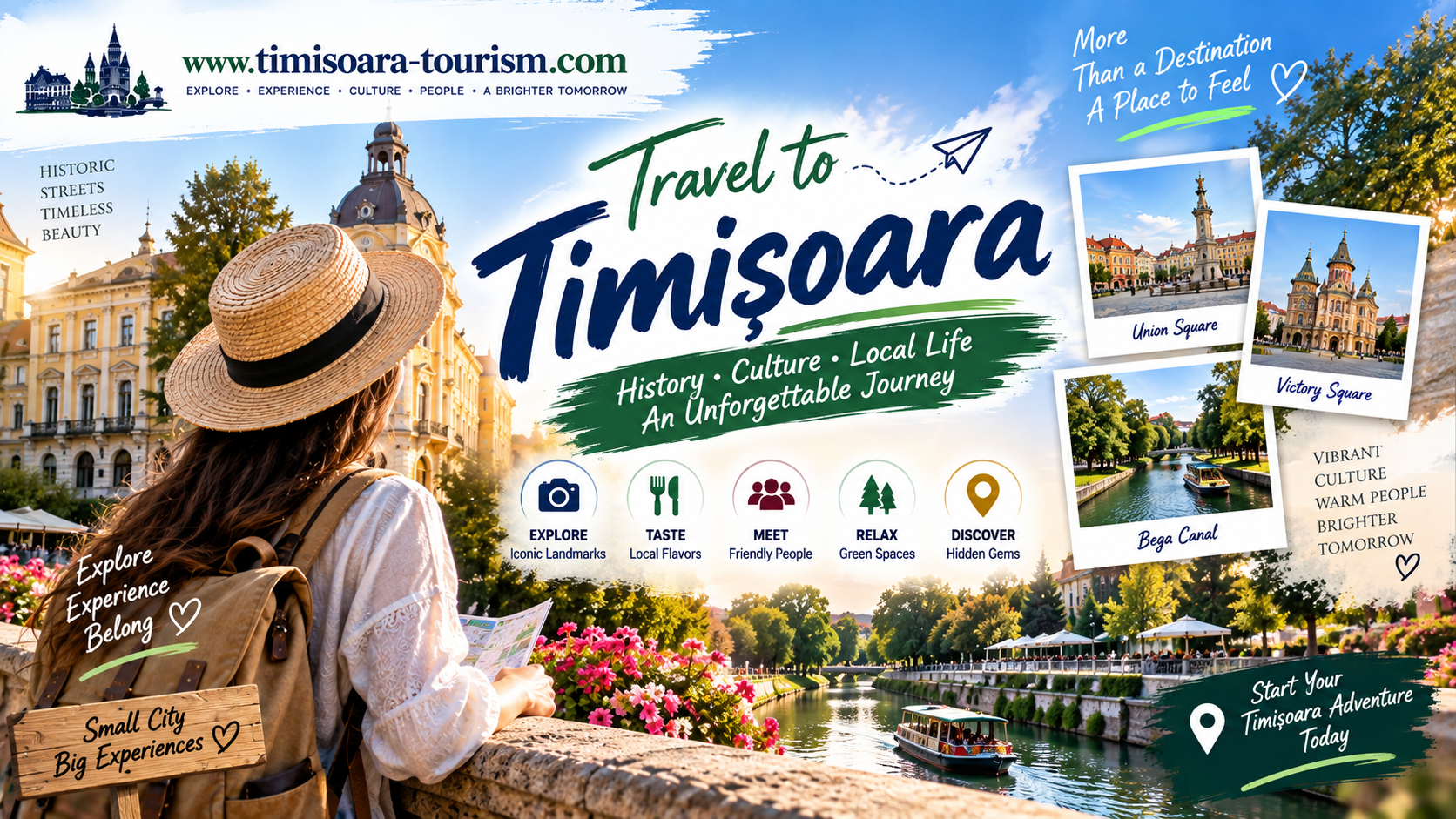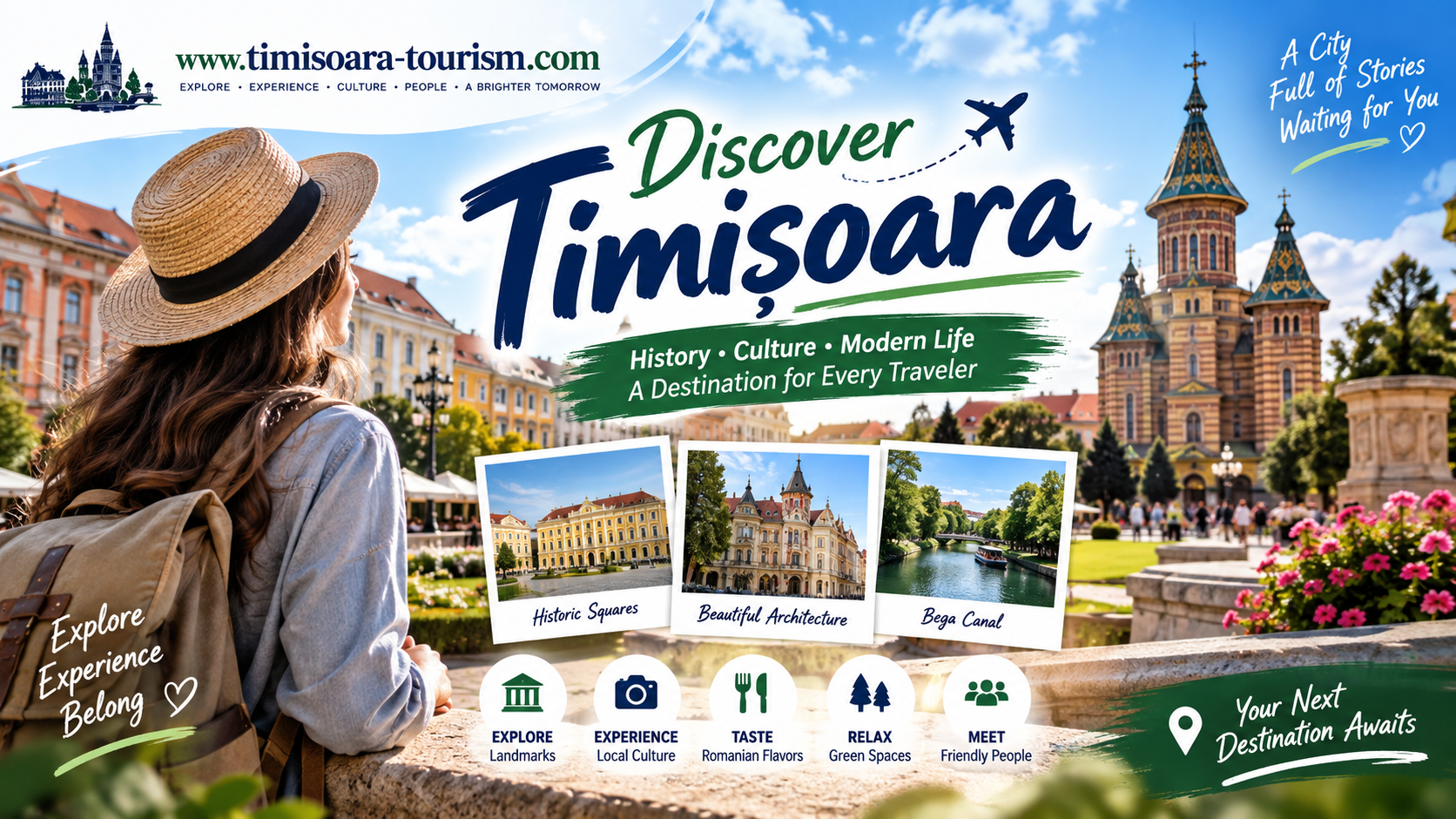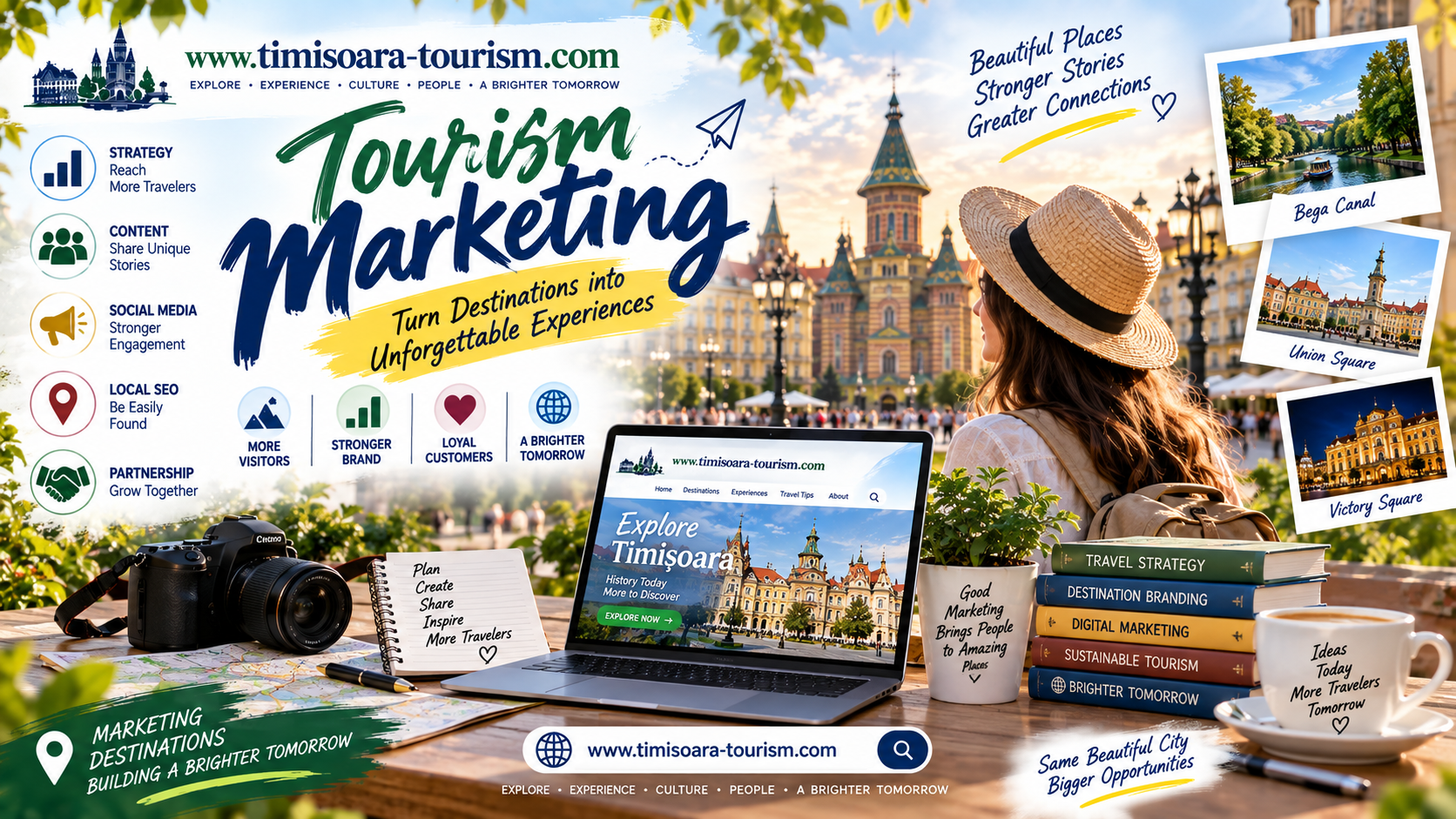
Digital marketing for tourism has become an important tool for hotels, cafés, tour operators, local attractions, and other travel businesses. Travelers often search online before deciding where to stay, what to visit, or where to eat. Therefore, a strong digital presence can help a small tourism business become easier to discover.
However, effective marketing is not simply about posting every day. Businesses need useful content, clear information, attractive visuals, and consistent communication. With the right approach, even a small local brand can build awareness without trying to compete through advertising budgets alone.
Digital Marketing for Tourism Starts with a Clear Audience
Before creating content, decide who you want to reach.
A boutique hotel may target couples looking for a weekend break. Meanwhile, a local tour guide may focus on travelers interested in history or architecture.
The message should reflect that audience.
Instead of saying, “We offer amazing tours,” explain what makes the experience useful or memorable.
For example, highlight a relaxed walking route, local stories, small groups, or access to interesting neighborhoods.
A clear audience makes every marketing decision easier.
Make Your Website Helpful
A tourism website should answer practical questions quickly.
Visitors usually want to know what you offer, where you are located, how much it costs, and how they can make a reservation.
Therefore, avoid hiding essential information behind complicated menus.
Use clear headings and readable text.
In addition, make sure important pages work properly on mobile devices. Many travelers research destinations from their phones while already on the road.
A beautiful website loses value if visitors cannot easily find the information they need.
Use Destination Content to Attract Travelers
Travelers rarely search only for a specific business.
They also search for destinations, attractions, neighborhoods, restaurants, itineraries, and travel ideas.
This creates an opportunity for content marketing.
A hotel in Timișoara, for example, could publish guides about nearby squares, architecture, cafés, parks, or walking routes.
A tour operator could explain the best ways to explore different parts of the city.
Useful destination content can introduce the business naturally without turning every page into an advertisement.
Tell Stories Instead of Constantly Selling
People travel because they want experiences.
Therefore, tourism marketing works well when it tells stories.
Show the atmosphere of a quiet morning in the old town. Introduce a local craftsperson. Share the story behind a traditional dish.
In addition, explain what a visitor might actually experience.
This approach creates context around the product.
Instead of simply promoting a room, restaurant table, or tour package, you are helping travelers imagine themselves at the destination.
That emotional connection can make marketing more memorable.
Photography Matters in Tourism Marketing
Travel is highly visual.
Strong photography can communicate atmosphere faster than a long description.
However, photographs should still represent the experience accurately.
Use natural images of rooms, food, streets, attractions, and activities.
Furthermore, include different perspectives.
Wide photographs can show the environment. Close-up images can highlight details, while photographs with people may help communicate scale and atmosphere.
Avoid excessive editing that makes the destination look completely different from reality.
Trust remains important.
Short Videos Can Show the Experience
Video provides another way to support digital marketing for tourism.
A short video could show a walking route, hotel room, café atmosphere, local market, or sunset beside the Bega Canal.
The production does not always need to be complicated.
Clear footage, natural lighting, and a simple story can work well.
Start with a strong opening scene.
Then, show a few useful details before ending with a clear next step.
Most importantly, create videos that provide value rather than simply repeating promotional slogans.
Social Media Needs a Content Mix
Posting the same type of promotion repeatedly can become boring.
Instead, create several content categories.
For example, one post may introduce a local attraction. Another can provide a practical travel tip.
The next post might show behind-the-scenes activity from the business.
Customer experiences can also provide useful content when shared appropriately.
With this approach, social media becomes more than a digital advertisement board.
It becomes a source of travel inspiration and information.
Local SEO Helps Travelers Find You
Search visibility is especially important for tourism businesses.
Travelers frequently search for services connected to a location.
Therefore, business information should remain accurate across relevant online platforms.
Names, addresses, contact details, opening information, and website links should be consistent.
In addition, website content should describe the location naturally.
Avoid repeating the same keyword unnaturally.
Instead, provide useful information about the area, nearby landmarks, transport options, and the experience visitors can expect.
Reviews Can Build Trust
Travel decisions often involve uncertainty.
A traveler may be visiting a city for the first time and know very little about local businesses.
Reviews can reduce that uncertainty.
Encourage genuine customers to share their experiences.
However, do not pressure them to leave only positive feedback.
Respond professionally to reviews, including critical ones.
A thoughtful response can show future customers that the business pays attention to feedback.
Most importantly, never create fake reviews. Short-term manipulation can damage long-term trust.
Email Marketing Still Has Value
Social media is useful, but businesses do not fully control those platforms.
Email provides another way to maintain contact with interested customers.
For example, a tourism business could send seasonal travel ideas, new experiences, or useful destination guides.
However, avoid sending messages too frequently.
People should have a clear reason to remain subscribed.
Useful content usually performs better than constant discounts.
In addition, make subscription and unsubscribe options clear.
Respecting the audience helps protect the reputation of the brand.
Create Content for Different Travel Stages
Not every potential customer is ready to book immediately.
Some people are only discovering a destination.
Others are comparing accommodation or activities.
Meanwhile, another group may already be planning exact dates.
Therefore, create content for different stages.
Inspirational articles can reach early researchers. Practical guides can help people planning their itinerary.
Detailed service pages can support visitors who are ready to make a decision.
This structure makes marketing more useful throughout the travel journey.
Collaborate with Local Businesses
Tourism businesses often serve the same visitors without directly competing.
A hotel may collaborate with a restaurant. Meanwhile, a local guide can work with a café, museum, or creative business.
These partnerships can create useful packages or shared content.
For example, businesses could develop a neighborhood guide together.
They might also recommend each other when appropriate.
Collaboration can make the overall destination experience stronger while helping smaller businesses reach new audiences.
Use Influencer Marketing Carefully
Influencer partnerships can increase visibility, but follower count should not be the only consideration.
Audience relevance matters more.
A smaller travel creator whose followers are genuinely interested in Romania may provide more value than a huge account with an unrelated audience.
Review previous content before working together.
In addition, agree on expectations clearly.
Authenticity is important.
Travelers can often recognize content that feels disconnected from the creator’s usual style.
Do Not Depend Only on Discounts
Discounts can attract attention.
However, constant discounts may train customers to wait for lower prices.
Instead, communicate value.
Explain what makes the experience different.
Perhaps the location is convenient. Maybe the service is more personal, the group size is smaller, or the experience focuses on local culture.
Clear value gives customers another reason to choose the business beyond price.
Promotions can still be useful, but they should support the strategy rather than become the entire strategy.
Measure What Actually Matters
Digital marketing produces plenty of numbers.
Views, likes, followers, clicks, and impressions can all look impressive.
However, not every metric has the same business value.
Choose measurements connected to your goal.
If the goal is reservations, track how marketing contributes to booking inquiries or completed bookings.
If the goal is destination awareness, website traffic and content engagement may also matter.
Review results regularly.
Then, adjust the strategy based on patterns rather than one unusually successful or unsuccessful post.
Keep Branding Consistent
Travelers may encounter a business through several channels.
They could first see an Instagram post, then visit the website, and later read a review.
Therefore, the brand should feel connected across each platform.
Use a consistent name, visual identity, and communication style.
The message should also remain clear.
If a business presents itself as a peaceful local experience, its marketing should not suddenly feel loud and aggressive.
Consistency helps people remember the brand.
Mobile Experience Should Be a Priority
Travelers often use smartphones while moving between locations.
They may search for a restaurant while walking or compare activities from a hotel room.
Therefore, pages should load efficiently and remain easy to navigate on smaller screens.
Buttons should be easy to use.
Contact information should also be simple to find.
Furthermore, avoid unnecessary elements that make the page difficult to read.
A smooth mobile experience can support the entire customer journey.
Digital Marketing for Tourism Should Build Trust
Digital marketing for tourism works best when it helps travelers make better decisions. A useful website, strong photography, destination content, genuine reviews, and clear communication can all contribute to that goal.
Start by understanding the audience. Then, create content that answers real travel questions and shows the experience accurately.
Use social media, search visibility, email, video, and local partnerships as connected parts of the strategy rather than isolated tactics.
Ultimately, tourism marketing is not only about gaining more clicks. It is about turning curiosity into confidence. When travelers understand what a destination or business can genuinely offer, they have a stronger reason to explore, visit, and eventually return.