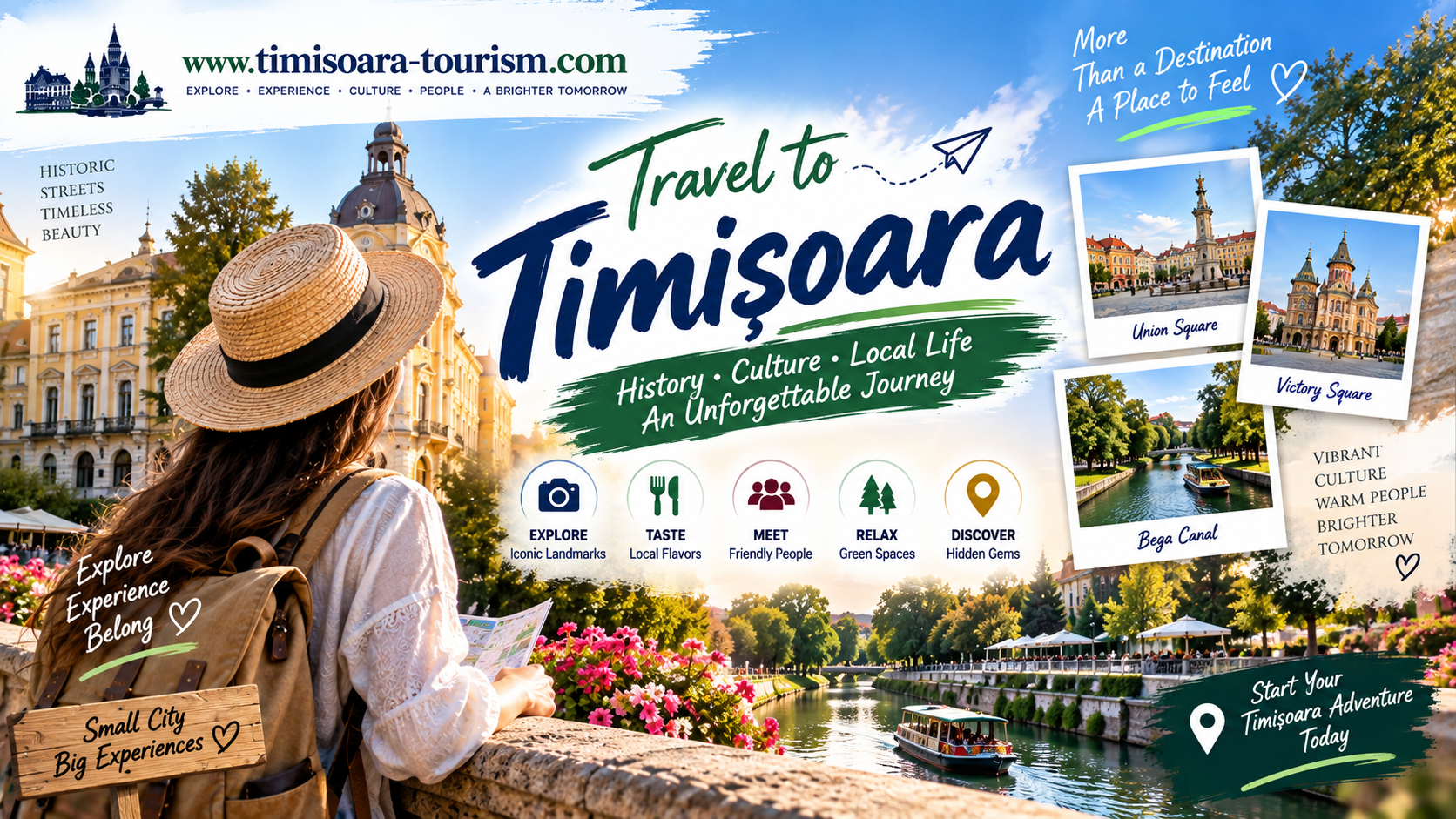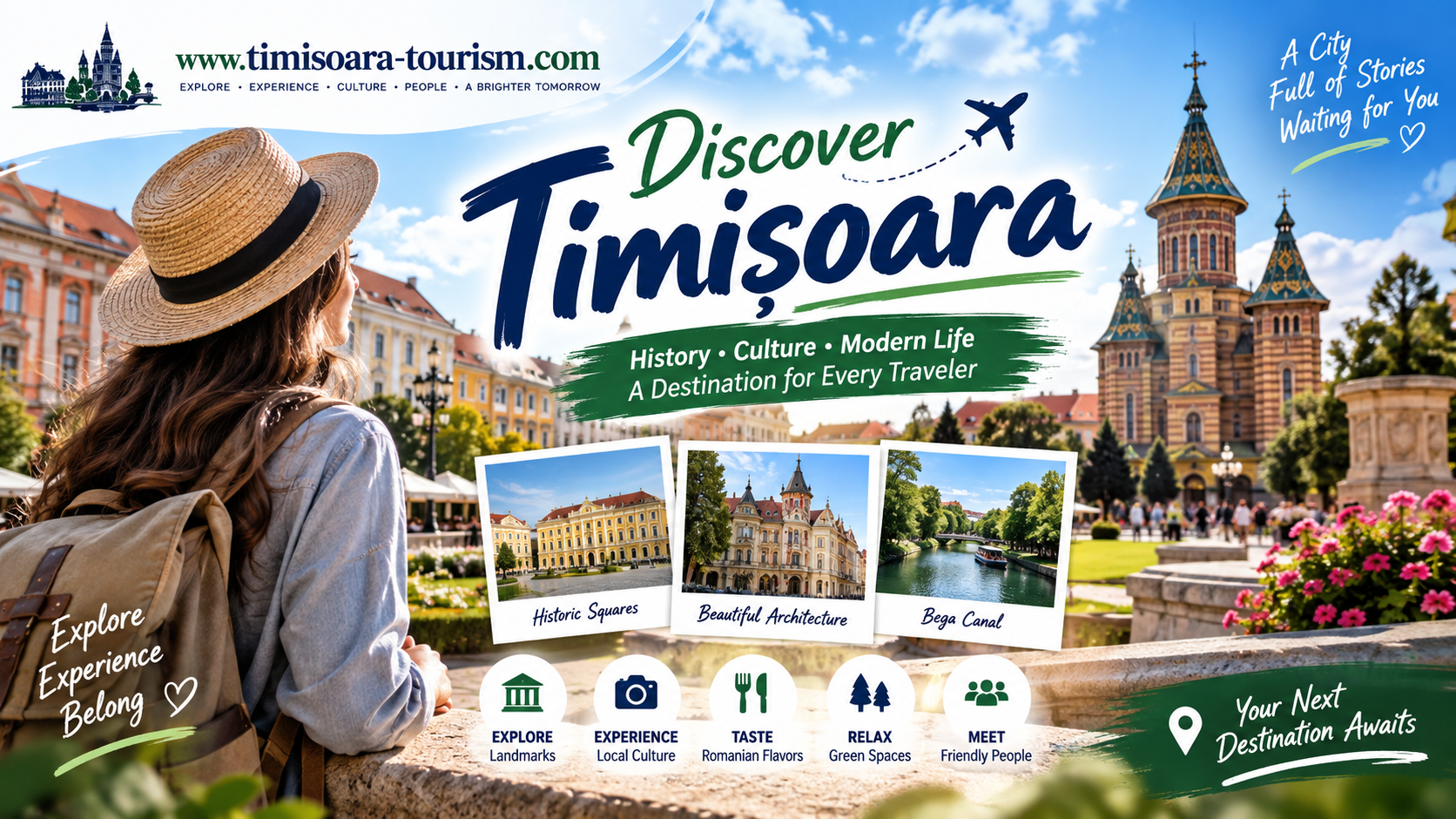
Travel is changing. Today, many visitors want more than beautiful views and popular attractions. They also look for destination experiences that connect them with local culture, nature, food, and everyday life.
UNESCO notes that cultural tourism can support local communities while helping protect cultural and natural heritage.
Destinations Are More Than Tourist Attractions
A destination is not simply a collection of famous places.
A city can offer historic buildings, local food, traditional markets, music, art, and community activities. Together, these elements create a travel experience.
For that reason, visitors can discover more by exploring beyond the main tourist spots.
Local Culture Creates Unique Experiences
Culture can become an important part of a destination.
Travelers may join a cooking class, visit a local craft workshop, watch a traditional performance, or explore a historic neighborhood.
UNESCO has highlighted the value of connecting visitors with local stories, traditions, arts, and creative activities.
These experiences can also give local businesses and creative workers new opportunities.
Nature Remains a Major Travel Attraction
Natural landscapes continue to shape many destinations.
Mountains, beaches, forests, rivers, and national parks can attract visitors from different parts of the world. However, these places also need careful management.
UNESCO’s sustainable tourism program emphasizes balancing tourism development with the protection of natural and cultural assets.
Therefore, responsible travel can help reduce pressure on sensitive destinations.
Small Businesses Can Benefit From Tourism
Tourism can create opportunities for local entrepreneurs.
Restaurants, guesthouses, guides, craft makers, transport providers, and cultural businesses can all become part of the destination economy.
When visitors spend money locally, communities can gain direct economic benefits. UNESCO also identifies tourism as a potential source of employment, income, and local development when managed sustainably.
Technology Changes the Way People Explore
Technology has also changed travel planning.
Travelers can use smartphones to discover restaurants, maps, museums, walking routes, and cultural events. Digital platforms can also help smaller businesses introduce their services to new visitors.
At the same time, destinations can use digital tools to share stories about their heritage.
Technology, therefore, can connect travelers with places before, during, and after their journey.
Sustainable Travel Needs Local Participation
A destination cannot depend only on tourism growth.
Local residents also have an important role in deciding how tourism develops. UNESCO’s approach to sustainable tourism emphasizes cooperation between tourism stakeholders, heritage managers, governments, and local communities.
This approach can help destinations protect their identity while welcoming visitors.
The Future of Destination Travel
The future of travel may focus increasingly on meaningful destination experiences.
Visitors can explore local food, meet communities, learn traditional skills, discover natural landscapes, and understand the history behind a place.
At the same time, destinations can develop tourism while protecting the resources that make them attractive in the first place.
For travelers, that means a journey does not have to end with a photograph. A destination can also become an opportunity to learn, connect, and experience another way of life.