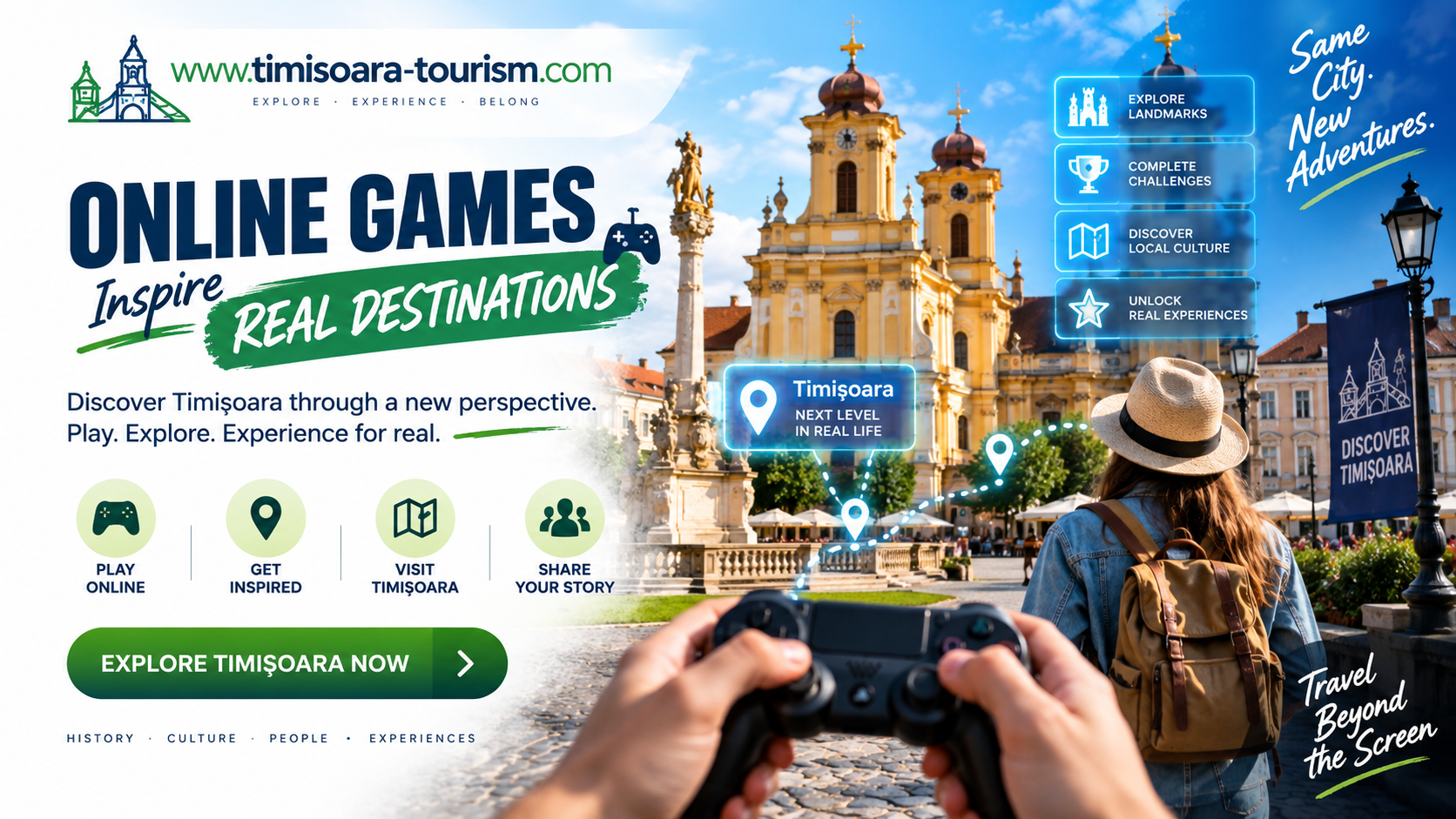
Online games are no longer limited to entertainment. Today, gaming can also inspire people to discover new destinations, explore local culture, and plan real-world adventures.
This trend creates an interesting connection between online games and tourism. Players can discover places through digital worlds before visiting them in person. For a city like Timișoara, this connection offers new ways to attract younger and more digitally connected travelers.
Why Online Games Are Becoming Part of Travel
Modern online games often create large and immersive worlds. Players explore cities, solve challenges, meet other players, and discover different cultures.
That experience can influence travel decisions. A location that appears interesting in a game may encourage players to search for the real place later.
Research published in Tourism Management in 2026 also highlights the growing relationship between video games and tourism. Researchers found that gaming experiences, social media, and destination marketing can work together to influence travel behavior.
As a result, destinations can use gaming culture as another way to reach potential visitors.
Timișoara Has the Right Setting for Digital Explorers
Timișoara offers a strong combination of history, architecture, parks, culture, and modern urban life.
The city’s historic center includes several major squares and pedestrian areas. Visitors can move between Piața Victoriei, Piața Unirii, and Piața Libertății within a short walk.
This compact layout creates an interesting opportunity for game-inspired travel.
Imagine starting a digital city challenge in Piața Victoriei. The next mission could lead travelers toward Piața Unirii. Another challenge could introduce the history of the Theresia Bastion or the Bega Canal.
These experiences could turn sightseeing into an interactive adventure.
Online Games Can Inspire Real-World Exploration
Travelers increasingly look for experiences instead of simple sightseeing. Online games can support this shift.
A destination can create digital challenges around landmarks, local history, food, art, and architecture. Players can complete missions while exploring the city in real life.
For example, a Timișoara city game could include:
- Historical landmark challenges
- Photo missions
- Local food discoveries
- Architecture quizzes
- Cultural storytelling
- Walking routes
- Digital rewards
This approach can encourage visitors to explore areas beyond the most famous attractions.
Gaming and Tourism Can Work Together
Gaming can also support destination marketing.
Tourism organizations can collaborate with game developers, creators, and local businesses. Together, they can create campaigns that connect digital entertainment with real destinations.
A city could launch an online game before a major travel season. Players would discover clues about the destination through the game. The final experience could encourage them to visit the city and complete the adventure.
This strategy can also generate social media content.
Players may share screenshots, videos, achievements, and travel experiences. That content can introduce the destination to new audiences.
Timișoara Offers Plenty of Inspiration
Timișoara has many locations that can inspire game-based experiences.
The official tourism information for the city highlights attractions such as the National Museum of Art, Theresia Bastion, Huniade Castle, the Botanical Park, Central Park, and several historic religious buildings.
The city also has a strong architectural identity. Its historic areas combine Baroque influences with later architectural styles.
This diversity creates opportunities for different types of digital storytelling.
One game could focus on history. Another could focus on architecture. A third could turn the city’s parks and Bega Canal into an outdoor exploration challenge.
Gaming Vacations Are Becoming a Travel Trend
The connection between games and travel continues to grow internationally.
Euronews identified gaming vacations, or “gami-vacations,” as a growing travel trend. These trips can involve visiting locations connected to popular games, attending gaming events, or experiencing places that resemble famous virtual worlds.
This trend is particularly relevant to younger travelers.
Many Gen Z and millennial travelers already use digital platforms to discover destinations. Gaming can become another part of that discovery process.
Therefore, tourism websites can benefit from creating content that connects gaming culture with travel inspiration.
How Travelers Can Combine Gaming and Tourism
Travelers do not need a special gaming event to enjoy this concept.
They can create their own digital adventure while visiting Timișoara.
Start by selecting several landmarks. Then create simple challenges for each location. Take photos, learn one historical fact, try a local dish, and record the experience.
A smartphone can become the main tool.
Maps, digital guides, photography apps, and online games can turn an ordinary city walk into a personal adventure.
The key is to balance digital entertainment with real-world exploration.
The Future of Online Games and Tourism
The relationship between online games and tourism will likely become stronger as digital technology develops.
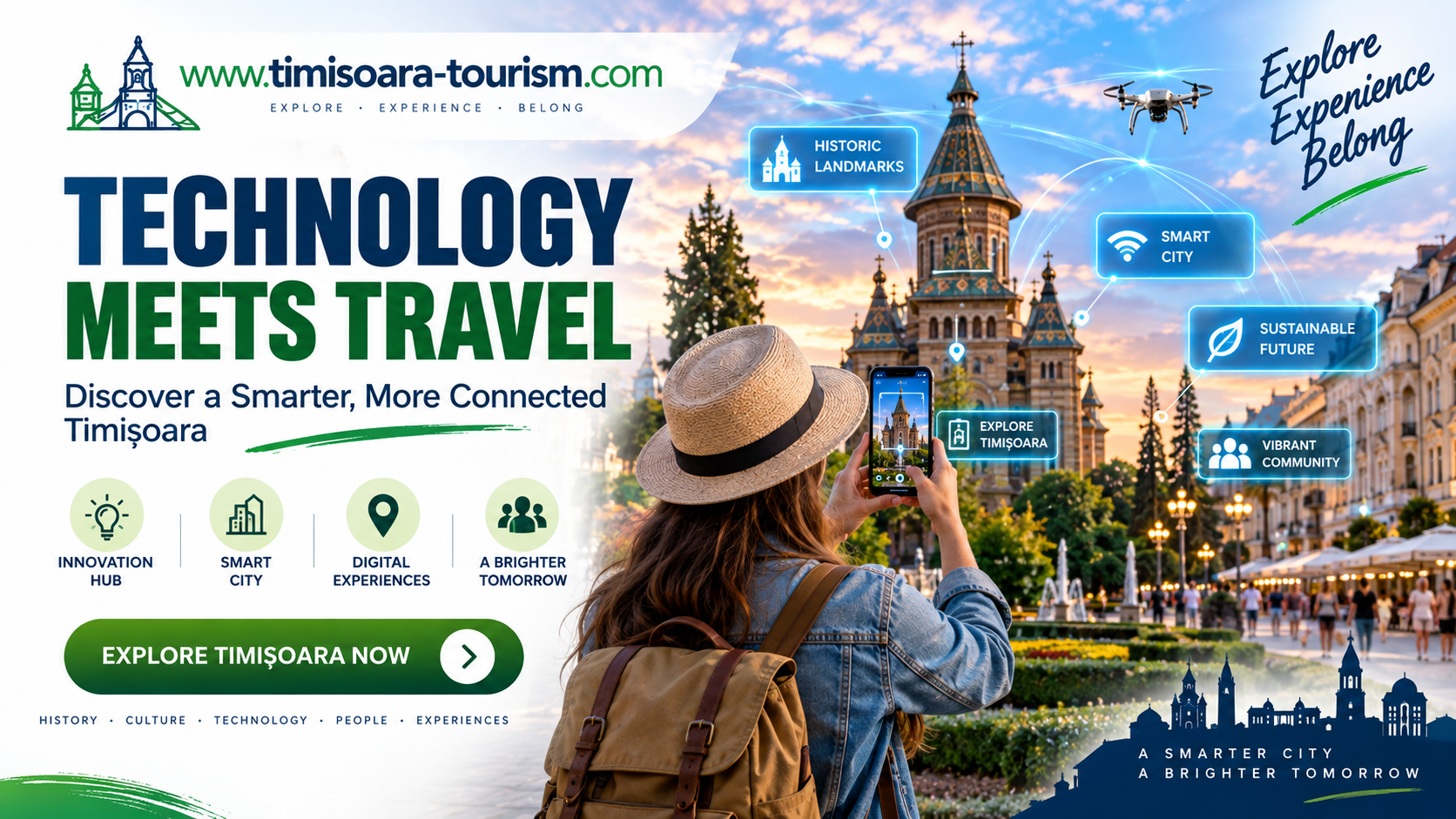
Augmented reality, location-based games, virtual events, and interactive maps can make destinations more engaging.
For tourism brands, this creates a valuable opportunity. They can reach travelers before they arrive and give them reasons to explore once they reach the destination.
For travelers, gaming can add another layer to the journey.
Instead of simply asking, “What should I see?”, visitors can ask, “What adventure can I create here?”
Explore Timișoara Beyond the Screen
Online games can open the door to new travel ideas, but the real experience happens outside the screen.
Timișoara offers historic squares, impressive architecture, green parks, cultural attractions, and the Bega Canal.
So, the next time an online game inspires your curiosity, consider taking that curiosity into the real world.
Play the game. Discover the story. Then explore Timișoara for yourself.