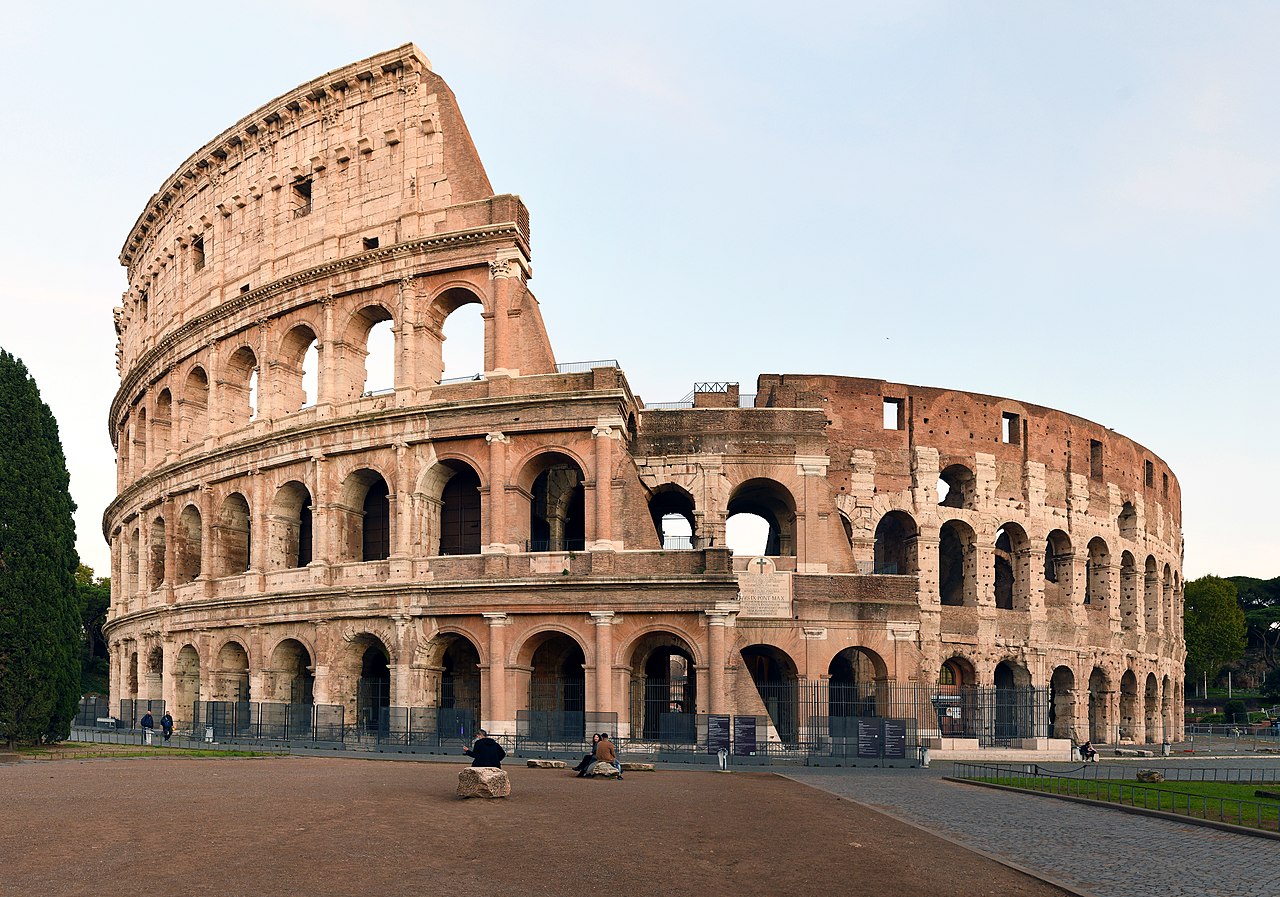
In the heart of Roma stands a magnificent historical landmark that symbolizes the glory of the Roman Empire: the Colosseum. As the largest amphitheater in the world, it is not only a popular tourist destination but also a silent witness to dramatic events that took place thousands of years ago. Built in the first century AD during the reign of Emperor Vespasian, the Colosseum remains one of the top attractions for travelers seeking to experience the rich history of Rome.
At the height of its glory, the Colosseum served as a grand arena for various spectacles, from gladiator battles to simulated naval combats. Thousands of spectators filled the stands to witness entertainment that combined bravery, strategy, and intense action. The stories of gladiators fighting for honor and freedom have become enduring legends, making the Colosseum one of the most iconic historical sites in the world.
Over time, the Colosseum suffered damage from earthquakes and stone looting. However, the beauty of its ancient Roman architecture still shines through, attracting millions of visitors each year. Many tourists come to capture unforgettable moments while also learning about the greatness of Roman civilization.
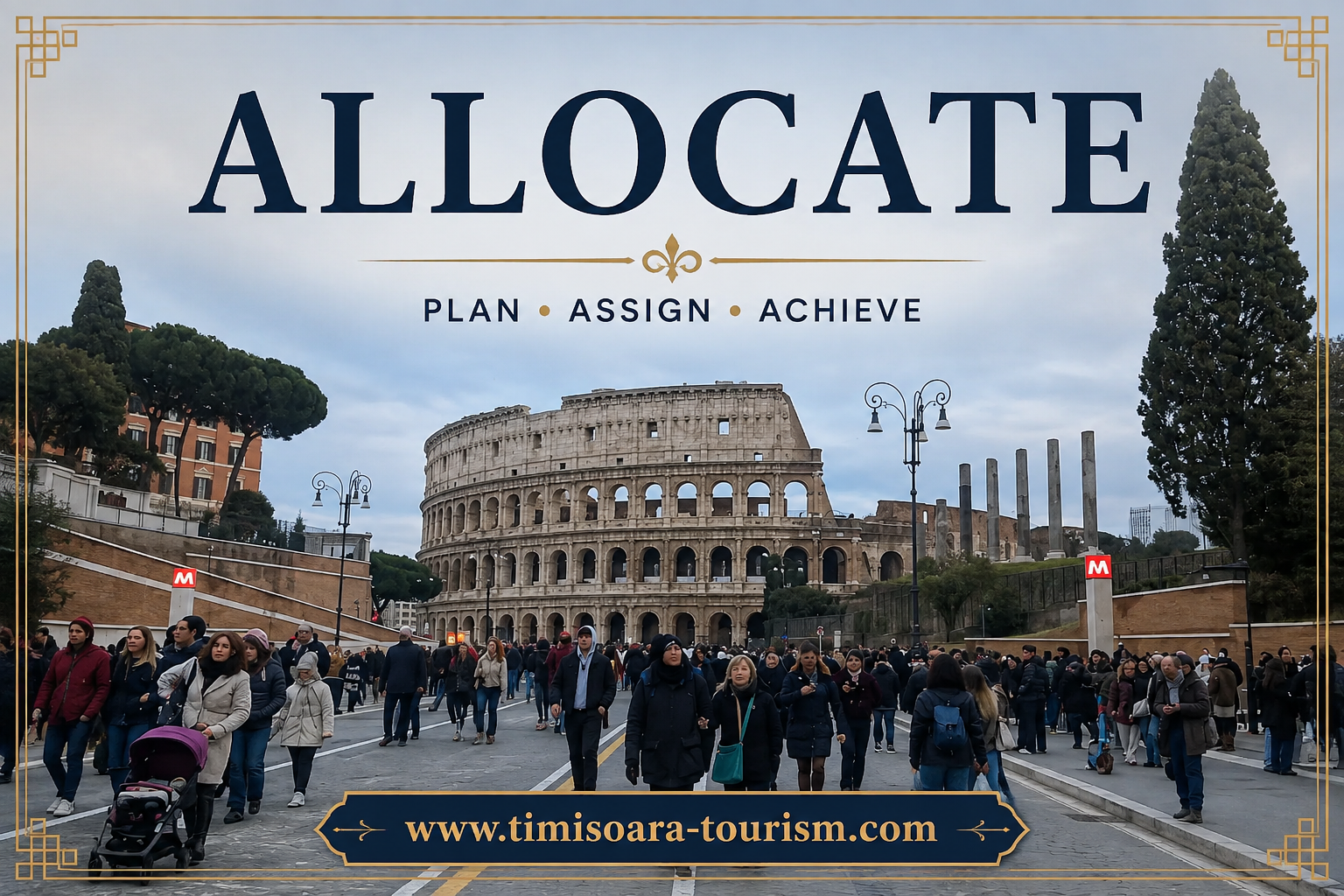
Today, the Colosseum is not just a historical monument but also a cultural symbol that strengthens the identity of Roma as one of the world’s best travel destinations. Walking around the Colosseum at sunset offers an unforgettable experience, as if stepping back into a past filled with heroic stories and mystery.
For anyone planning a trip to Roma, visiting the Colosseum is a must. It is not merely an ancient structure, but a powerful legacy that inspires and reminds us of the greatness of human civilization.